121 S. Wilke Road, Suite 301, Arlington Heights, IL 60005
Home and Hospital Visits for Your Convenience

FREE Phone & Video Consultations
Home and Hospital Visits for Your Convenience
Call for a FREE Phone Consultation
847-797-8000
Video Consultations Also Available
 Spanish
 Cantonese

- Home
- About Us
- Attorneys
- Practice Areas
- Personal Injury
- Bike Accidents
- Bus, School Bus, and Pace Accidents
- Car Accidents
- Boating, Watercraft and Jet Ski
- Catastrophic Injuries
- Defective Products
- Defective Medical Devices and Treatments
- Defective Drugs and Pharmaceuticals
- Dog Bites and Animal Attacks
- Food Poisoning
- Elder Abuse
- Motorcycle Accidents
- Nursing Home Abuse and Neglect
- Pedestrian Accidents
- Pothole Injuries
- Premises Liability
- Ridesharing, Uber and Lyft Accidents
- Sexual Abuse and Assault
- Train and Metra Accidents
- Truck Accidents
- Work Injuries
- Wrongful Death
- Medical Malpractice
- Workers’ Compensation
- Toxic Torts/Mass Torts
- Visit Our Foreclosure Website
- Referrals
- Personal Injury
- Case Results
- Media
- Blog
- Contact
Serving Clients Across 8 Illinois Locations
Can Rear-End Collision Injuries Cause Chronic Health Problems?
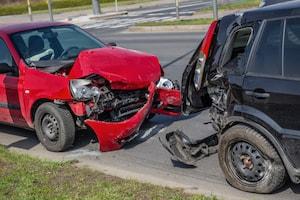
Rear-end collisions tend to be less fatal than head-on crashes or wrecks involving fixed objects. They're not, however, harmless. It's as possible to get injured in a rear-end collision as any "more serious" wreck, and the injuries’ effects can last for months or even years.
If you were rear-ended in 2026 and your injuries aren't getting better, an Arlington Heights personal injury attorney can help you understand your legal options.
What Kinds of Chronic Injuries Can Rear-End Collisions Cause?
The human body often struggles to absorb the kind of force involved in a rear-end collision. Even at relatively low speeds, a sudden forward jolt can put tremendous stress on the neck, spine, and surrounding soft tissue. What makes these injuries particularly tricky is that they often don't show up on X-rays. Symptoms can also take days to fully develop, by which point some people have already downplayed the accident to their insurance company.
Consider some injuries common in rear-end collisions that can result in chronic pain.
Whiplash
The rapid back-and-forth motion of the head and neck during a rear-end crash can strain or tear muscles, tendons, and ligaments. For many people, whiplash resolves within a few weeks. For others, it becomes a long-term source of neck pain, stiffness, and reduced range of motion. A study from the National Library of Medicine reports that victims of severe whiplash had significantly higher levels of pain and stiffness in areas like their heads and shoulders, many years after the accident.
Herniated Discs
The force of a rear-end collision can cause spinal discs to bulge or rupture, pressing on nearby nerves. This can cause persistent pain, numbness, or weakness that radiates into the arms or legs.
Traumatic Brain Injury
Even without a direct blow to the head, the brain can move violently inside the skull during impact. Mild TBIs, including concussions, can lead to chronic headaches, cognitive difficulties, mood changes, and sensitivity to light or sound that lasts months or years.
Temporomandibular Joint (TMJ) Disorders
The jaw joint is closely tied to the musculature around the head and neck. It can be stressed or injured during the rapid movement of a collision, sometimes causing lasting jaw pain, clicking, or difficulty chewing. TMJ symptoms are closely tied to whiplash and can also result in sensitivity to light and headaches.
Post-traumatic Stress
Not all injuries are physical. The psychological impact of a serious crash is real and can be long-lasting. Anxiety, trouble sleeping, and difficulty driving again are all documented effects of motor vehicle accidents.
How Does Illinois Law Address Compensation for Chronic Health Issues from Car Accidents?
Illinois follows a modified comparative fault-based system for car accident claims where someone can recover damages as long as they’re less than 50 percent at fault for the accident (735 ILCS 5/2-1116). If you share some fault, your compensation is reduced by your percentage of responsibility.
For rear-end collisions specifically, the driver in the rear is often presumed to be at fault. It’s not guaranteed, though, and insurance companies will still look for ways to shift blame to you or minimize your injuries.
When injuries are chronic, the damages available are generally higher. Illinois allows injured people to seek compensation for:
-
Medical expenses, both past and future
-
Lost wages and reduced earning capacity
-
Pain and suffering
-
Emotional distress
-
Loss of normal life, meaning the inability to enjoy activities you could before the accident
Future damages are particularly important in chronic injury cases. If your condition is going to need ongoing treatment, physical therapy, or medication, those costs need to be part of your claim, as well as what you’ve already spent on treatment.
What Should You Do After a Rear-End Crash To Protect Your Claim?
The steps you take after a collision can significantly affect your ability to recover compensation later. You should see a doctor as soon as possible, even if you feel okay. Delayed treatment gives insurance companies room to argue your injuries weren't caused by the crash. Make sure you follow your treatment plan. Gaps in medical care can be used against you. Document everything relating to your care. Keep records of every appointment, all symptoms, and every way the injury has affected your daily life.
If the insurer reaches out to you, don’t give them a recorded statement until you’ve spoken to an attorney. They can and will leverage what you say against you to reduce their payouts. Also, speak to an attorney before you accept their final settlement to make sure they’re not lowballing you.
Call Our Rolling Meadows, IL Car Accident Attorneys Today
Chronic injuries from a rear-end collision should be compensated fairly. Our Arlington Heights car accident lawyers have recovered millions of dollars in successful verdicts and settlements for injured clients and know how to build a case that accounts for the full, long-term impact of your injuries. We are local to the communities we serve and bring many decades of combined experience to personal injury cases across Illinois. Call Newland & Newland, LLP at 847-797-8000 to schedule your free consultation.














Contact Our Firm
 The use of the Internet or this form for communication with the firm or any individual member of the firm does not establish an attorney-client relationship. Confidential or time-sensitive information should not be sent through this form.
I have read and understand the Disclaimer and Privacy Policy.